Parking Air Conditioner vs Generator: Which Is Better for Truck Drivers?
Compare parking ACs vs. generators for truck drivers. Discover which offers better comfort, efficiency, and cost savings for your rig. Make an informed choice for….…
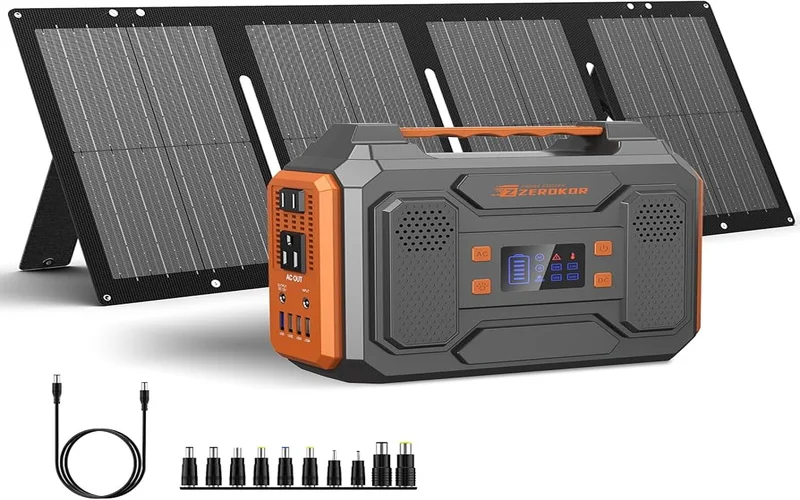
For truck drivers, RV owners, and van lifers, maintaining a comfortable cabin temperature during rest periods is not just about luxury; it's a matter of safety, health, and compliance with anti-idling regulations. The choice between a parking AC vs generator is a critical decision that impacts operational costs, comfort, and environmental footprint. Both solutions offer ways to cool your vehicle without idling the main engine, but they come with distinct advantages and disadvantages. This comprehensive guide will delve into the specifics of each option, helping you make an informed decision that best suits your needs on the road. We'll explore efficiency, cost, convenience, and environmental impact, ensuring you understand all facets of this important comparison.
Understanding Parking Air Conditioners
Parking air conditioners, often referred to as no-idle AC units, are specifically designed to provide cooling for vehicle cabins when the engine is turned off. These systems typically run on the vehicle's 12V or 24V DC battery power, offering an energy-efficient alternative to engine idling. The market offers various types, including rooftop-mounted units and split systems that can be mounted on the back wall of the cab. For instance, top-mounted units like the CoolDrivePro VS02 PRO are popular for their integrated design, while split systems offer flexibility in installation. These units utilize refrigerants like R134a and are engineered for continuous, quiet operation, making them ideal for overnight stops. Their primary appeal lies in their ability to deliver comfort without the noise, emissions, and fuel consumption associated with running a truck's main engine or a traditional generator. They are a modern solution for truck drivers seeking sustainable and comfortable rest.
The Role of Generators in Trucking
Generators have long been a common solution for providing auxiliary power in various mobile applications, including trucking. For truck drivers, a generator can power not only an air conditioning unit but also a range of other electrical appliances, such as microwaves, refrigerators, and entertainment systems. These units typically run on diesel or gasoline, offering a robust and independent power source. While some drivers opt for integrated Auxiliary Power Units (APUs) that combine heating, cooling, and power generation, others choose portable generators paired with household-style window AC units for a more budget-friendly setup. The primary advantage of a generator is its versatility and high power output, allowing for a comprehensive power solution. However, this versatility often comes at the cost of increased noise, emissions, and fuel consumption, which are significant considerations for long-haul drivers and the environment.
Efficiency and Environmental Impact: Parking AC vs Generator
When evaluating parking AC vs generator for truck drivers, efficiency and environmental impact are paramount. Parking air conditioners are inherently more efficient for cooling purposes as they are designed specifically for this task and draw power directly from the vehicle's battery system. This direct current (DC) operation eliminates the energy losses associated with converting DC battery power to AC power, which is often required to run household appliances with a generator. Modern parking AC units, such as those offered by CoolDrivePro, are engineered with advanced compressors and intelligent control systems to minimize power consumption, allowing for extended operation on a single charge or with minimal battery drain. This translates directly into lower fuel consumption, as the main engine does not need to idle to provide power, and significantly reduced carbon emissions. For example, a typical truck idling for eight hours can consume several gallons of fuel and emit a substantial amount of CO2, whereas a parking AC unit operates with a fraction of that environmental footprint.\n\nGenerators, while powerful, are generally less efficient for dedicated cooling. They burn fuel (diesel or gasoline) to produce electricity, which then powers an AC unit. This conversion process involves energy losses. Furthermore, the continuous operation of a combustion engine, even a small one, generates noise pollution and exhaust fumes, contributing to air quality issues and potentially violating anti-idling laws in many jurisdictions. While some newer inverter generators are quieter and more fuel-efficient than older models, they still cannot match the near-silent, zero-emission operation of a battery-powered parking AC. The environmental benefits of parking ACs extend beyond just emissions; they also reduce reliance on fossil fuels and promote a cleaner, healthier environment for drivers and communities. The long-term operational savings from reduced fuel costs and maintenance for parking ACs often outweigh the initial investment, making them a more sustainable choice for the environmentally conscious driver.
Cost Analysis: Initial Investment and Long-Term Savings
The financial implications of choosing between a parking AC vs generator are a major factor for truck drivers. The initial investment for a parking air conditioner can vary widely depending on the type, brand, and cooling capacity. Basic rooftop or back-wall mounted units might start from a few hundred dollars, while more advanced, integrated systems can cost several thousand. For example, a high-quality unit like the CoolDrivePro VS02 PRO (top-mounted) or VX3000SP (mini split) might represent a significant upfront cost. However, this initial outlay is often offset by substantial long-term savings. Parking ACs drastically reduce or eliminate engine idling, leading to significant fuel savings. A truck idling for 8-10 hours a day can consume 0.8 to 1 gallon of fuel per hour, costing a driver hundreds or even thousands of dollars per month in fuel alone. By eliminating this, parking ACs pay for themselves over time. Additionally, reduced engine idling means less wear and tear on the main engine, extending its lifespan and lowering maintenance costs.\n\nOn the other hand, generators present a different cost profile. A DIY setup involving a portable generator and a household window AC unit can have a lower initial cost, potentially under $2,000, as highlighted by some owner-operators [1]. However, this apparent saving often comes with higher operational expenses. Generators require their own fuel, which adds to daily running costs. They also demand regular maintenance, including oil changes and filter replacements, which can accumulate over time. Furthermore, the noise and emissions generated by generators can lead to fines in areas with strict anti-idling regulations, adding another potential cost. While a generator offers versatility in powering multiple appliances, its inefficiency for dedicated cooling and ongoing fuel and maintenance needs can make it a more expensive option in the long run compared to a specialized parking AC. The total cost of ownership, encompassing purchase price, fuel, maintenance, and potential fines, should be carefully considered when making this decision.
Installation and Maintenance: What to Expect
Understanding the installation and maintenance requirements for both a parking AC vs generator is crucial for truck drivers. Parking air conditioners generally offer a more streamlined installation process, especially for units designed specifically for trucks. Rooftop-mounted units, while requiring a cut in the cab roof, are often designed for relatively straightforward integration into the vehicle's electrical system. Split systems, which have an evaporator inside the cab and a condenser mounted on the back wall, avoid roof modifications and can be simpler to install for some models. Professional installation is recommended to ensure proper sealing, electrical connections, and refrigerant charging, which can prevent leaks and maximize efficiency. Maintenance for parking AC units is typically minimal, involving regular cleaning of filters, checking refrigerant levels, and inspecting electrical connections. These units are built for durability in demanding trucking environments, and with proper care, they can provide years of reliable service.\n\nGenerators, particularly portable ones used with window AC units, can present a more complex and potentially hazardous installation. As noted by one owner-operator, cutting a hole in the back of the cab for a window AC unit and ensuring proper sealing can be challenging and may require multiple attempts [1]. Furthermore, plumbing fuel lines from the truck's tanks to the generator, as some DIY setups involve, requires careful execution to prevent leaks and fire hazards. The physical size and weight of many portable generators also necessitate secure mounting, often on the truck's deck. Maintenance for generators is more intensive than for parking ACs. They require regular oil changes, spark plug replacements, air filter cleaning, and fuel system checks. The constant vibration and exposure to road conditions can accelerate wear and tear, demanding more frequent attention. While a generator setup might seem like a cost-effective DIY project initially, the complexities of installation and ongoing maintenance can quickly add up in terms of time, effort, and potential repair costs, making a dedicated parking AC a more hassle-free option for many drivers.
Convenience and User Experience
When considering a parking AC vs generator, convenience and user experience play a significant role in a truck driver's daily life. Parking air conditioners are designed for maximum convenience. Their operation is typically simple, often involving just the press of a button to activate. They run quietly, allowing drivers to get undisturbed rest, which is vital for safety and well-being on long hauls. The absence of exhaust fumes means drivers can sleep with windows closed, enhancing security and comfort. Furthermore, modern parking AC units often come with remote controls and programmable timers, allowing drivers to set their desired temperature and operating times without leaving the bunk. The integrated nature of these systems means there are no external components to set up or put away, making them ideal for quick stops and overnight parking. The CoolDrivePro VS02 PRO, for example, offers seamless integration and user-friendly controls, enhancing the overall driver experience.\n\nGenerators, while offering broad power capabilities, often fall short in terms of convenience for dedicated cooling. The need to manually start and stop the generator, especially in inclement weather or during the night, can be a significant inconvenience. While some advanced generators feature remote start capabilities, they still produce noise and exhaust, which can be disruptive to sleep and potentially draw unwanted attention. The bulkiness of portable generators and the need to secure them properly can also be cumbersome. Moreover, the process of refueling a generator, often requiring separate fuel cans, adds another layer of hassle. For drivers who primarily need cooling during rest periods, the added complexity and reduced comfort associated with a generator setup can outweigh its versatility. The focus of a parking AC is solely on providing efficient and convenient cooling, offering a superior user experience for drivers seeking quiet, comfortable rest without the operational complexities of a generator.
Safety and Regulations
Safety and compliance with regulations are critical considerations when choosing between a parking AC vs generator. Parking air conditioners offer a safer alternative for in-cab cooling. Since they operate electrically from the vehicle's battery, there are no combustion fumes, eliminating the risk of carbon monoxide poisoning, a serious concern with gasoline or diesel generators. Their quiet operation also means less disturbance to other drivers and reduced risk of violating noise ordinances. Furthermore, the integrated design of most parking AC units minimizes external components, reducing the risk of theft or damage. They are designed to meet specific automotive safety standards, ensuring reliable and safe operation within the vehicle's electrical system. The absence of an open flame or hot exhaust also significantly lowers the risk of fire, a potential hazard with fuel-burning generators.\n\nGenerators, by their very nature, introduce several safety risks. The most prominent is the production of carbon monoxide, a colorless, odorless, and deadly gas. Operating a generator too close to the cab or in poorly ventilated areas can have fatal consequences. Fire hazards are also a concern, especially with fuel storage and the hot exhaust system. The noise generated by some generators can be a nuisance and may lead to fines in areas with anti-idling laws, which are becoming increasingly common across states and municipalities. These laws aim to reduce air pollution and noise, making generator use problematic in many parking situations. While APUs are designed with safety features and are often compliant with anti-idling regulations, portable generators used in DIY setups may not meet these standards, potentially exposing drivers to legal and safety risks. Therefore, for peace of mind and compliance, a parking AC often presents a much safer and more regulation-friendly solution for truck drivers.
Frequently Asked Questions (FAQ)
### Q1: What is the average lifespan of a parking air conditioner?\n\nA1: The lifespan of a parking air conditioner can vary significantly based on usage, maintenance, and brand quality. Generally, a well-maintained parking AC unit from a reputable brand like CoolDrivePro can last anywhere from 5 to 10 years. Factors such as regular filter cleaning, proper electrical system maintenance, and avoiding extreme operating conditions can extend its life. Units that are frequently used in very hot climates or subjected to heavy vibrations may have a shorter lifespan. It's always recommended to follow the manufacturer's guidelines for maintenance to ensure longevity.\n\n### Q2: Can a parking AC cool the entire truck cabin effectively?\n\nA2: Parking AC units are primarily designed to cool the sleeper cab area of a truck, providing a comfortable environment for rest. Their effectiveness in cooling the entire cabin depends on the unit's BTU rating, the size of the cabin, and external temperatures. While they are highly efficient for the sleeper area, they may struggle to cool a very large cabin or the entire truck interior in extreme heat conditions. For optimal performance, ensuring the cab is well-insulated and windows are covered can significantly improve cooling efficiency. The CoolDrivePro VS02 PRO (top-mounted) and VX3000SP (mini split) are engineered to provide robust cooling for typical sleeper cab dimensions.\n\n### Q3: Are generators allowed in all truck stops or rest areas?\n\nA3: No, generators are not allowed in all truck stops or rest areas. Many jurisdictions and private facilities have strict anti-idling laws and noise ordinances that prohibit or restrict the use of generators, especially those that are loud or produce significant emissions. These regulations are in place to reduce noise pollution and improve air quality. Violating these rules can result in fines. Parking AC units, due to their quiet and emission-free operation, are generally compliant with these regulations, offering a worry-free solution for drivers seeking to stay cool during mandated rest periods. Always check local regulations before operating a generator.\n\n### Q4: How much battery power does a parking AC typically consume?\n\nA4: The battery consumption of a parking AC unit varies depending on its cooling capacity, efficiency, and the ambient temperature. On average, a 12V parking AC unit might draw between 20 to 50 amps per hour. For a 24V system, the amperage draw would be roughly half. This means that for an 8-hour rest period, a unit could consume between 160 to 400 amp-hours. To support this, many drivers opt for additional deep-cycle batteries or ensure their vehicle's alternator is capable of recharging the batteries adequately during driving hours. Advanced units like those from CoolDrivePro are designed to optimize power usage, extending battery life and cooling duration.\n\n### Q5: What are the main differences between a top-mounted and a mini-split parking AC?\n\nA5: The main differences lie in their installation and design. A top-mounted parking AC (like the CoolDrivePro VS02 PRO) is an integrated unit installed on the roof of the truck cab. It's often easier to install as a single unit but requires a roof opening. These are generally robust and provide direct cooling from above. A mini-split parking AC (like the CoolDrivePro VX3000SP) consists of two main components: an evaporator unit inside the cab and a condenser unit mounted externally, typically on the back wall of the truck. This design avoids cutting the roof and can offer more flexible placement for the indoor unit, potentially leading to more even cooling distribution in some cab layouts. Both types aim to provide efficient no-idle cooling, with the choice often coming down to vehicle specifics and installation preferences.
Conclusion: Making the Right Choice for Your Comfort and Wallet
The decision between a parking AC vs generator is a pivotal one for truck drivers, RV owners, and van lifers seeking comfort and compliance on the road. While generators offer undeniable versatility and a potentially lower initial cost for DIY setups, their drawbacks in terms of noise, emissions, fuel consumption, and maintenance often make them a less ideal long-term solution for dedicated cooling. The safety risks associated with carbon monoxide and fire, coupled with increasing anti-idling regulations, further diminish their appeal for regular use in rest periods. In contrast, parking air conditioners, especially advanced units like the CoolDrivePro VS02 PRO (top-mounted) or VX3000SP (mini split), provide a highly efficient, quiet, and environmentally friendly solution. They offer superior comfort, lower operational costs through significant fuel savings, and peace of mind regarding safety and regulatory compliance. For those prioritizing quiet, clean, and hassle-free cooling during their downtime, a dedicated parking AC is undoubtedly the better investment. Choose CoolDrivePro for reliable, comfortable, and sustainable cooling on all your journeys. This comprehensive guide aims to equip you with the knowledge to make the best decision for your journey, ensuring you stay cool, comfortable, and compliant, mile after mile. The numbers and real-world data in our Understanding COP (Coefficient of Performance) in Parking Air Conditioners piece add useful context to the decisions outlined here. If you're weighing your options, our detailed breakdown on How Much Fuel Does a Parking Air Conditioner Save? Real Numbers & ROI Calculator covers the key decision points worth reviewing before you buy. For deeper detail, see our parking AC vs APU comparison.