Parking Air Conditioner Wiring Guide: Safe 12V/24V Electrical Installation
Comprehensive guide for safe 12V/24V parking AC wiring and electrical installation in trucks, RVs, and vans. Learn about components, voltage drop, battery management,…
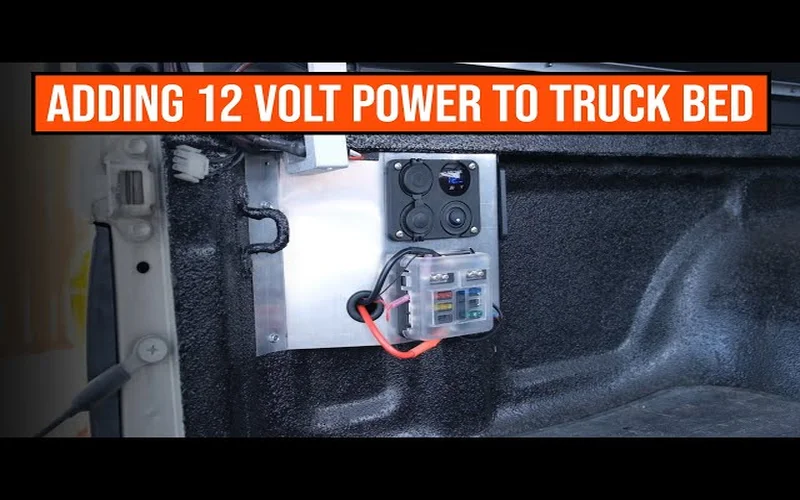
When you're on the road, whether in a semi-truck, RV, or camper van, a reliable parking air conditioner can make all the difference for comfort and rest. These essential units provide cooling when your engine is off, saving fuel and ensuring a comfortable environment. However, the performance and safety of your parking AC heavily depend on a proper electrical installation. This comprehensive parking AC wiring guide 12V 24V will walk you through the critical steps and considerations for safely installing and connecting your unit, ensuring optimal operation and longevity. We'll cover everything from understanding your vehicle's electrical system to selecting the right components and troubleshooting common issues, empowering you to tackle this crucial aspect of your mobile comfort system with confidence.
Understanding Your Vehicle's Electrical System (12V vs. 24V)
Before embarking on any parking AC wiring guide 12V 24V installation, a fundamental understanding of your vehicle's electrical architecture is paramount. The vast majority of recreational vehicles (RVs), camper vans, and many light-duty trucks operate on a 12-volt (12V) DC electrical system. This means their batteries, alternators, and most accessories are designed to function within this voltage range. Conversely, heavy-duty trucks, particularly semi-trucks, often utilize a 24-volt (24V) DC system. This higher voltage allows for more efficient power delivery over longer distances and can support more powerful electrical components, which is crucial for the demanding needs of commercial vehicles. Identifying your vehicle's system voltage is the very first step, as installing a 12V AC unit into a 24V system (or vice-versa) without proper voltage conversion will lead to immediate damage to the unit, the vehicle's electrical system, or both. You can typically determine your vehicle's voltage by checking the battery labels – most vehicles will have either one 12V battery or two 12V batteries wired in series for a 24V system. Some larger RVs might even have multiple battery banks, so it's essential to trace the main power lines intended for auxiliary loads.\n\nThe implications of selecting the correct voltage are significant. A 12V parking AC unit, such as the CoolDrivePro VS02 PRO, is specifically engineered to draw power and operate optimally within a 12V environment. Attempting to power it with 24V will result in overvoltage, potentially burning out the compressor, control board, and other sensitive electronics. Conversely, a 24V unit, like the CoolDrivePro VX3000SP, requires the higher voltage to function correctly. Connecting it to a 12V source will lead to undervoltage, causing the unit to either not start, operate inefficiently, or suffer long-term damage due to insufficient power. Beyond the AC unit itself, all associated wiring components—fuses, circuit breakers, relays, and even the wire gauge—must be rated for the correct voltage and current draw. Overlooking this critical detail is a common mistake that can lead to electrical fires, system failures, and costly repairs. Always consult your vehicle's owner's manual or a qualified auto electrician if you are unsure about your vehicle's electrical system specifications. Proper voltage matching ensures not only the functionality of your parking AC but also the overall safety and integrity of your vehicle's electrical infrastructure.
Essential Components for a Safe Parking AC Installation
A successful and safe parking AC wiring guide 12V 24V installation hinges on selecting the right electrical components. Beyond the parking AC unit itself, several key elements are crucial for protecting your vehicle's electrical system and ensuring the longevity of your air conditioner. First and foremost, proper wiring is non-negotiable. The gauge of your wire (its thickness) must be appropriate for the current draw of your AC unit and the length of the wire run. Undersized wires can overheat, leading to voltage drop, reduced AC performance, and a significant fire hazard. For a typical 12V parking AC drawing 40-60 amps, a minimum of 4 AWG (American Wire Gauge) wire is often recommended for runs up to 20 feet, with 2 AWG or even 0 AWG necessary for longer distances or higher current units. For 24V systems, while the current draw is halved for the same power output, it's still critical to use appropriately sized wiring, often 6 AWG or 4 AWG, to minimize voltage drop and ensure efficient operation. Always consult the AC unit's installation manual for specific wire gauge recommendations, as these are calculated based on the unit's power consumption.\n\nNext, circuit protection is vital. Every parking AC installation must include a fuse or circuit breaker installed as close to the power source (battery) as possible. This device acts as a safety valve, interrupting the circuit if an overcurrent condition occurs, thereby preventing damage to the wiring and the AC unit, and most importantly, mitigating fire risks. The fuse or breaker rating should be slightly higher than the maximum operating current of your AC unit but lower than the maximum current capacity of your chosen wire. For instance, if your 12V AC draws a maximum of 50 amps, a 60-amp fuse or circuit breaker would be appropriate. Additionally, a heavy-duty relay or contactor is often recommended, especially for high-current 12V or 24V parking AC units. This allows a low-current switch (e.g., from your dashboard) to safely control the high-current circuit of the AC, protecting your vehicle's delicate interior wiring. Finally, consider a low-voltage disconnect (LVD) or battery monitor. These devices automatically shut off the AC unit if your battery voltage drops below a certain threshold, preventing deep discharge and extending battery life. Many modern parking AC units, including CoolDrivePro models, come with integrated LVDs, but an external, adjustable unit can offer additional peace of generality and protection for your entire battery bank. Investing in high-quality, marine-grade components that are resistant to vibration, moisture, and temperature fluctuations will ensure a robust and reliable electrical system for your parking AC.
Step-by-Step Wiring Process for 12V/24V Parking AC
Once you have a clear understanding of your vehicle's electrical system and have gathered all the necessary components, you can proceed with the actual wiring process. This parking AC wiring guide 12V 24V outlines the general steps, but always refer to your specific AC unit's installation manual for precise instructions and diagrams. Begin by disconnecting the vehicle's main battery terminals (negative first) to prevent any accidental short circuits during installation. This is a critical safety step that should never be skipped. Next, identify the optimal location for mounting your parking AC unit. For rooftop units like the CoolDrivePro VS02 PRO, ensure the mounting surface is flat, strong enough to support the unit's weight, and free from obstructions. For split units like the CoolDrivePro VX3000SP, find suitable locations for both the indoor and outdoor units, considering refrigerant line and electrical cable routing. Once the unit is physically mounted, you can start routing the main power cables. These cables should be run from the battery to the AC unit, following existing wire harnesses where possible, and secured every 12-18 inches to prevent chafing and vibration damage. Use protective loom or conduit wherever cables pass through sharp edges or areas exposed to heat and abrasion.\n\nInstall your inline fuse holder or circuit breaker as close to the battery's positive terminal as practically possible, ideally within 18 inches. This ensures maximum protection for the entire circuit. Connect the main positive cable from the battery to one side of the fuse/breaker, and then connect the other side to the positive input of your AC unit. The main negative cable should be connected directly from the battery's negative terminal to the AC unit's negative input, or to a suitable chassis ground point if specified by the manufacturer. Ensure all connections are clean, tight, and corrosion-free. Use high-quality crimp connectors and heat shrink tubing to seal connections from moisture and environmental elements. If your installation requires a relay, wire it according to the manufacturer's diagram, typically using a low-current trigger wire from an ignition-switched source or a dedicated switch to activate the high-current circuit for the AC. After all electrical connections are made, double-check every wire for correct polarity, secure connections, and proper routing. Only then should you reconnect the battery terminals (positive first) and proceed to test the unit. A multimeter is an invaluable tool during this phase to verify voltage at various points and confirm continuity. Remember, patience and meticulous attention to detail during the wiring process will prevent future headaches and ensure a reliable, safe parking AC system.
Voltage Drop and Wire Gauge Calculation
One of the most critical, yet often overlooked, aspects of a parking AC wiring guide 12V 24V installation is managing voltage drop. Voltage drop occurs when the electrical resistance of the wire causes a reduction in voltage between the power source (battery) and the load (AC unit). Even a small voltage drop can significantly impact the performance and lifespan of your parking AC. For 12V systems, a voltage drop exceeding 3% is generally considered unacceptable, as it can lead to the AC unit drawing more current, overheating, and potentially failing prematurely. For example, if your 12V system experiences a 5% voltage drop, a unit designed for 12V might only receive 11.4V, causing it to struggle. In 24V systems, while the impact might seem less severe due to higher nominal voltage, maintaining a low voltage drop is still crucial for efficiency and component protection. The primary factors influencing voltage drop are the current draw of the AC unit, the length of the wire run (round trip), and the wire gauge (thickness). Longer runs and thinner wires result in higher resistance and thus greater voltage drop.\n\nTo accurately determine the appropriate wire gauge, you'll need to know the maximum amperage draw of your parking AC unit and the total length of the wire run from the battery to the AC and back. Many online voltage drop calculators are available, or you can use a formula: `(2 * K * I * L) / CM`, where `K` is the resistivity of copper (10.75 for 12V, 21.5 for 24V), `I` is the current in amps, `L` is the length in feet (one way), and `CM` is the circular mil area of the wire. However, a simpler approach is to consult wire gauge charts specifically designed for DC applications, which factor in acceptable voltage drop percentages. For instance, a 12V CoolDrivePro VS02 PRO drawing 50 amps over a 15-foot round trip (30 feet total wire length) would typically require 4 AWG wire to maintain a voltage drop below 3%. If the run extends to 25 feet (50 feet total), you might need to step up to 2 AWG. For a 24V CoolDrivePro VX3000SP drawing 25 amps (for similar power output) over a 30-foot round trip, 6 AWG might suffice. Always err on the side of using a slightly thicker wire than strictly necessary, as it provides a margin of safety and better performance. Proper wire sizing not only ensures your AC unit receives adequate power but also prevents excessive heat buildup in the wiring, safeguarding against potential electrical hazards and maximizing the efficiency of your mobile cooling solution.

Battery Considerations and Power Management
Effective power management and robust battery capacity are paramount for the reliable operation of your parking AC wiring guide 12V 24V system. Parking air conditioners, especially powerful units, can draw significant current, and without adequate battery support, you risk rapid battery depletion, shortened battery lifespan, and an AC unit that frequently cycles off due to low voltage. For 12V systems, a typical parking AC might draw between 40-60 amps per hour. This means a standard 100 Ah (Amp-hour) deep-cycle battery could theoretically power the unit for only 1.5 to 2.5 hours before reaching a 50% discharge state, which is generally the recommended maximum discharge for lead-acid batteries to ensure longevity. For extended runtimes, multiple deep-cycle batteries wired in parallel (for 12V systems) or series (for 24V systems) are often necessary. Lithium Iron Phosphate (LiFePO4) batteries are an increasingly popular choice due to their higher energy density, lighter weight, and ability to be discharged deeper (up to 80-100%) without significant damage, offering a more efficient and longer-lasting power solution for your parking AC.\n\nBeyond raw capacity, how you manage that power is equally important. A dedicated battery bank for your parking AC, separate from your vehicle's starting battery, is highly recommended. This prevents the AC from draining your starting battery and leaving you stranded. An automatic charging relay (ACR) or battery isolator can be used to charge the auxiliary battery bank from your vehicle's alternator while the engine is running, ensuring your AC batteries are topped up during travel. When parked, solar panels, shore power connections, or a generator can provide additional charging. Many modern parking AC units, including CoolDrivePro models, feature integrated low-voltage disconnect (LVD) protection. This crucial feature automatically shuts off the AC unit if the battery voltage drops below a pre-set threshold (e.g., 11.5V for a 12V system or 23V for a 24V system), preventing irreversible damage to your batteries from deep discharge. While integrated LVDs are convenient, monitoring your battery bank with a dedicated battery monitor (shunt-based is most accurate) provides real-time data on voltage, current draw, and state of charge, allowing you to proactively manage your power consumption and extend your AC runtime. Proper battery sizing and intelligent power management are key to enjoying consistent, worry-free cooling on the road.
Installation Best Practices and Troubleshooting Tips
Adhering to best practices during installation and knowing how to troubleshoot common issues can save you significant time and frustration with your parking AC wiring guide 12V 24V setup. One critical best practice is to ensure all electrical connections are made with high-quality, marine-grade components. This includes tinned copper wire, heat-shrink butt connectors, and properly sized terminals. These components are designed to withstand the harsh mobile environment, resisting corrosion, vibration, and temperature extremes, which are common causes of electrical failures. Always use a proper crimping tool for connections; never rely on pliers, as a poor crimp can lead to high resistance, heat buildup, and potential fire hazards. Furthermore, meticulous cable management is essential. Secure all wiring runs with cable ties or clamps every 12-18 inches, especially where they might be exposed to movement or abrasion. Use protective conduit or loom wherever wires pass through metal panels or are routed near engine components that generate heat. Labeling your wires, especially in complex installations, will prove invaluable for future maintenance or troubleshooting.\n\nEven with the most careful installation, issues can arise. Common troubleshooting scenarios often involve the AC unit not turning on, blowing fuses, or operating inefficiently. If your parking AC fails to power on, first check the fuse or circuit breaker. A blown fuse indicates an overcurrent condition, which could be a short circuit, an overloaded component, or an incorrectly sized fuse. Next, verify battery voltage at the AC unit's terminals using a multimeter. If the voltage is significantly lower than the battery voltage, you likely have a voltage drop issue, pointing to undersized wiring or a loose/corroded connection. If the unit turns on but doesn't cool effectively, check for proper refrigerant levels (if applicable and serviceable by the user), ensure the condenser and evaporator coils are clean and free of obstructions, and verify that the fan is operating correctly. For units with integrated low-voltage disconnects, ensure your battery bank is adequately charged; the unit might be shutting off to protect your batteries. Remember, a systematic approach to troubleshooting, starting with the simplest checks and progressively moving to more complex diagnostics, will help you quickly identify and resolve most problems. Always consult the CoolDrivePro user manual for specific diagnostic codes and troubleshooting steps for your VS02 PRO or VX3000SP unit. When in doubt, especially with persistent electrical issues, it's always best to consult a certified automotive electrician.
Frequently Asked Questions (FAQ)
This parking AC wiring guide 12V 24V aims to cover many aspects of installation, but here are some frequently asked questions to further clarify common concerns:\n\nQ1: Can I use my vehicle's starting battery to power my parking AC?\n\nA1: While technically possible, it is strongly discouraged. Parking AC units draw significant power, and running them off your starting battery can quickly drain it, leaving you unable to start your vehicle. It is highly recommended to install a dedicated auxiliary deep-cycle battery bank specifically for your parking AC. This ensures your starting battery remains charged for its primary purpose and allows for extended runtimes of your AC unit without worry. An automatic charging relay (ACR) or battery isolator can then be used to charge this auxiliary bank from your alternator while driving.\n\nQ2: What happens if I connect a 12V AC unit to a 24V system, or vice-versa?\n\nA2: Connecting a 12V AC unit to a 24V system will result in overvoltage, which will almost certainly damage or destroy the AC unit's compressor, control board, and other electrical components. Conversely, connecting a 24V AC unit to a 12V system will result in undervoltage. The unit will either fail to start, operate very inefficiently, or suffer long-term damage due to insufficient power. Always ensure your parking AC unit's voltage matches your vehicle's electrical system voltage. If you have a 24V vehicle and a 12V AC (or vice-versa), you will need a specialized DC-DC converter, but it's generally best to purchase an AC unit designed for your vehicle's native voltage.\n\nQ3: How important is wire gauge, and what are the risks of using wire that is too thin?\n\nA3: Wire gauge is extremely important. Using wire that is too thin (undersized) for the current draw and length of the run can lead to several serious problems. Firstly, it causes excessive voltage drop, meaning the AC unit receives less voltage than it needs, leading to reduced performance, increased current draw, and premature failure of the unit. Secondly, undersized wires have higher electrical resistance, which generates significant heat. This heat can melt wire insulation, damage surrounding components, and poses a severe fire risk. Always consult your AC unit's manual and voltage drop charts to select the correct wire gauge, erring on the side of thicker wire if in doubt.\n\nQ4: Do I need a fuse or circuit breaker, and where should it be installed?\n\nA4: Yes, a fuse or circuit breaker is absolutely essential for safety. It acts as a critical protective device, designed to interrupt the electrical circuit if an overcurrent condition (like a short circuit or overload) occurs. This prevents damage to your wiring, the AC unit, and most importantly, protects against electrical fires. The fuse or circuit breaker should be installed as close as possible to the power source (the battery's positive terminal), ideally within 18 inches. This ensures that the maximum amount of the circuit is protected from potential faults.\n\nQ5: My parking AC unit keeps shutting off after a short period. What could be the problem?\n\nA5: Several factors could cause your parking AC to shut off prematurely. The most common reason is a low-voltage disconnect (LVD) activating. Many parking AC units, including CoolDrivePro models, have built-in LVDs to protect your batteries from deep discharge. If your battery bank is not adequately charged or its capacity is insufficient for the AC's power draw, the LVD will trigger. Other potential issues include: excessive voltage drop due to undersized wiring or loose connections, an overloaded circuit causing a fuse to blow, or a fault within the AC unit itself. Start by checking your battery's state of charge and voltage at the AC unit, then inspect all wiring connections and circuit protection devices.
Conclusion: Powering Your Comfort Safely and Efficiently
Successfully wiring your parking air conditioner is more than just connecting a few wires; it's about ensuring safety, maximizing efficiency, and guaranteeing reliable comfort on the road. This comprehensive parking AC wiring guide 12V 24V has walked you through the essential steps, from understanding your vehicle's electrical system and selecting the right components to meticulous installation practices and proactive troubleshooting. Remember, the foundation of a high-performing parking AC lies in correctly sized wiring, robust circuit protection, and intelligent power management. By paying close attention to voltage compatibility, minimizing voltage drop, and supporting your unit with an adequate battery bank, you can enjoy consistent, cool air without compromising your vehicle's electrical integrity or your peace of mind.\n\nInvesting in a quality parking AC system is an investment in your comfort and well-being during long hauls or extended stays. Whether you're a truck driver needing restful sleep, an RV owner seeking refuge from the heat, or a van lifer embracing off-grid adventures, a properly installed unit is indispensable. Don't let complex wiring deter you from experiencing the ultimate in mobile climate control. For reliable and efficient cooling solutions, explore CoolDrivePro's range of parking air conditioners. Consider the CoolDrivePro VS02 PRO for a top-mounted, all-in-one solution that's easy to install and highly effective, or the CoolDrivePro VX3000SP mini split system for powerful, quiet cooling in larger spaces. With the right knowledge and the right equipment, you're well on your way to a cooler, more comfortable journey. Drive cool, drive safe! For a deeper look at the technical side, the guide on Parking Air Conditioner Buying Guide 2025: Everything You Need to Know Before You Buy goes into specifics that most buyers overlook. Readers who found this useful typically also check out the coverage on How Many BTU Do You Need for a Parking Air Conditioner? Complete Sizing Guide, which addresses the complementary side of the equation. For deeper detail, see our LiFePO4 battery sizing for parking AC.